Apparel Fulfillment Strategies for Global Fashion Brands
Fashion brands face tough challenges when shipping clothes worldwide. The industry moves fast, with trends changing quickly and customers expecting their orders to arrive on time and in perfect condition. Companies need smart apparel logistics plans that work across different countries and cultures. European markets offer great opportunities for fashion brands, but success requires the right fulfillment strategy and reliable partners who understand how to handle clothing properly.
Key Takeaways
- Setting up fulfillment centers in smart European locations cuts shipping costs and delivery times
- Apparel fulfillment companies know how to handle delicate fabrics and manage size variations properly
- Good inventory tracking systems help brands stay organized across different sales channels
- Fashion returns happen more often than other products - about 20-30% of online clothing gets sent back
- Seasonal changes mean brands need fulfillment partners who can handle busy and slow periods
- Working with clothing specialists gives brands access to proper equipment and trained staff
Why Fashion Fulfillment Is Different
Fashion companies deal with more complex inventory than most businesses. Each item comes in multiple sizes, colors, and styles. A simple t-shirt might have 20 different variations when you count all of the sizes and color options.
European customers care about quality and want their orders fast. Each country has different rules about shipping, returns, and customs. Fashion brands entering Europe need fulfillment strategies that work locally while keeping costs reasonable
.
Getting clothes to customers involves many steps:
- Storing items properly so they don't get wrinkled or damaged
- Picking the right size and color for each order
- Packing clothes carefully to protect them during shipping
- Handling returns when items don't fit or meet expectations
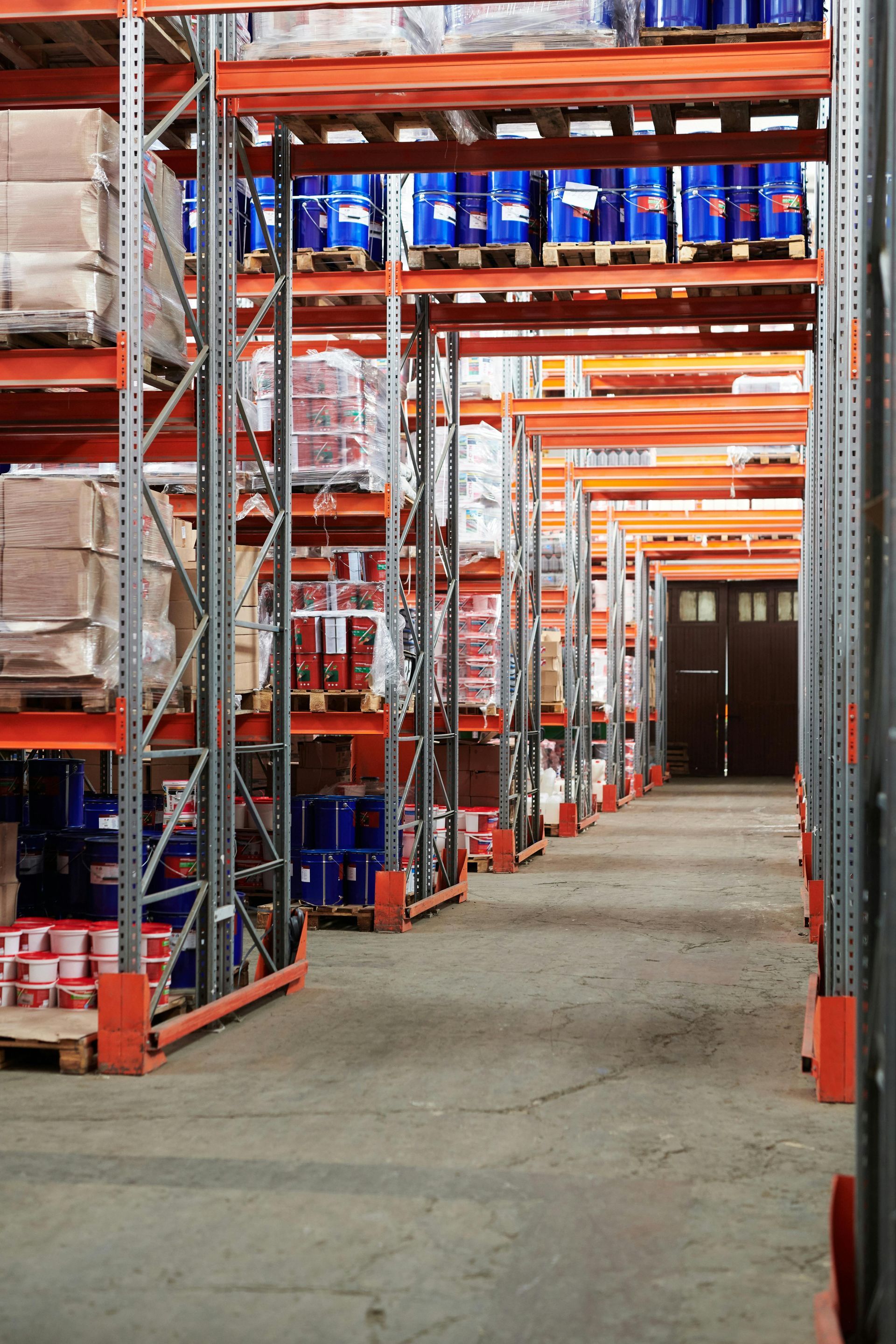
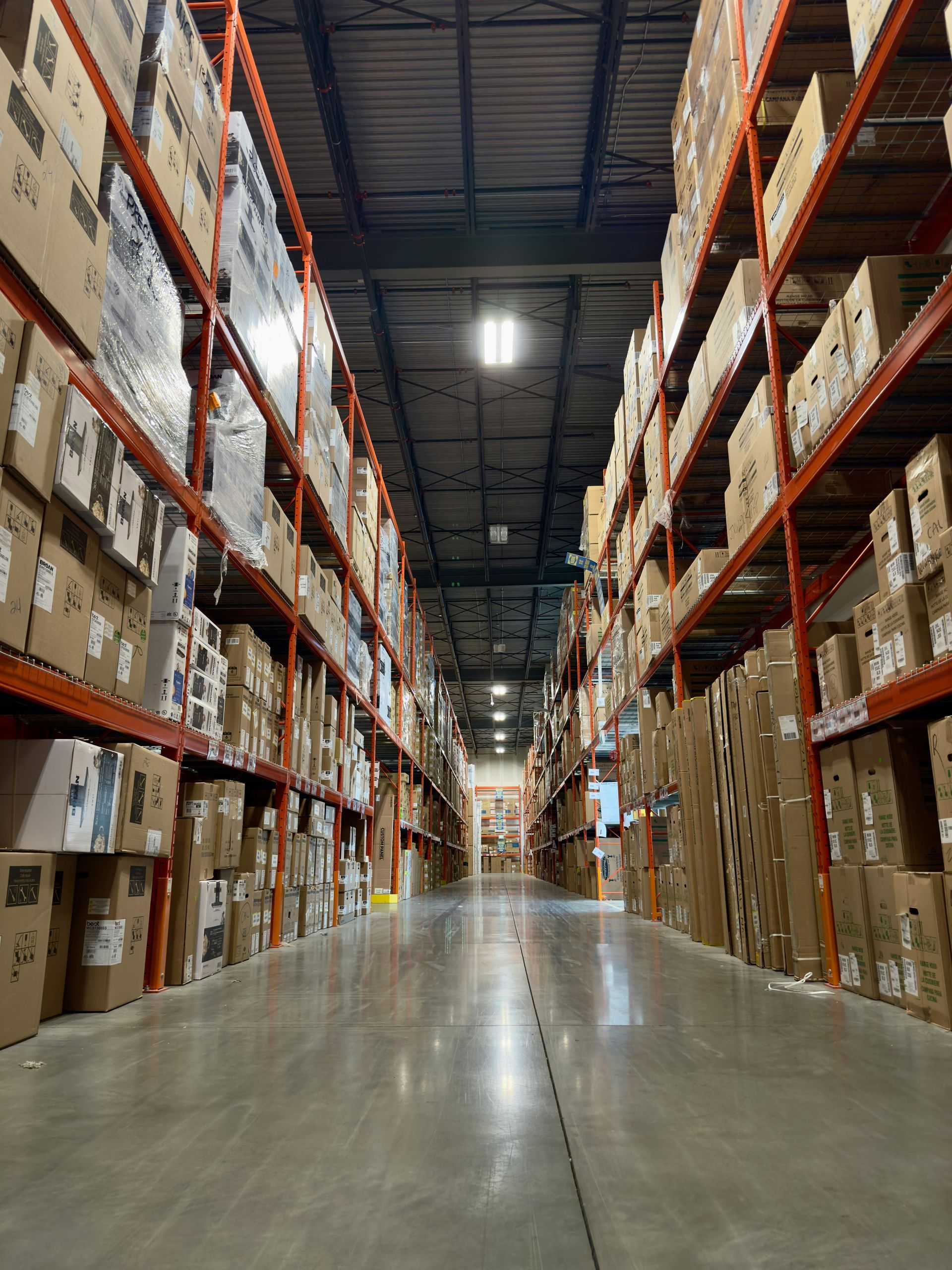
Companies like GMAT Limited understand these challenges. They offer warehousing and fulfillment services that keep inventory organized and get orders out the door quickly. Their location near major shipping hubs helps reduce delivery times and costs.
Smart Location Planning for Europe
Where you store inventory makes a big difference in shipping costs and delivery speed. Fashion brands should spread their stock across multiple European locations to serve customers better.
Top European Fulfillment Locations:
- Germany - Central location with great transportation networks
- United Kingdom - Good access to English-speaking markets
- France - Serves Western European customers well
- Poland - Lower costs with improving infrastructure
- Netherlands - Close to major ports for receiving inventory
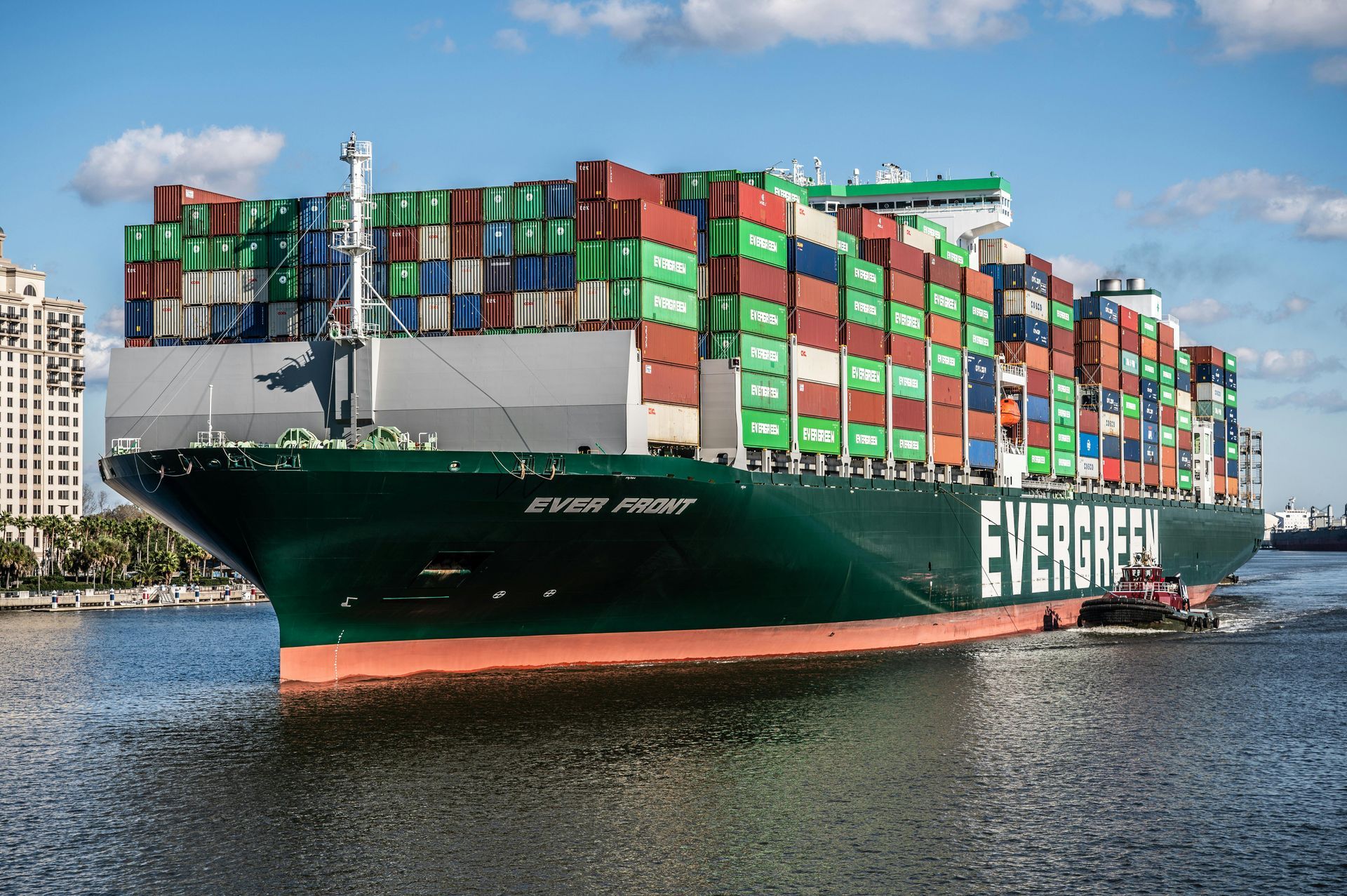
Putting summer clothes in Southern Europe and winter items in Northern locations saves money during peak seasons. Being near major ports like Hamburg or Rotterdam helps too. When new inventory arrives from Asia, it can get into the fulfillment network faster.
The key is matching inventory location to customer demand. If most customers are in Germany, keep more stock there. If orders come from all over Europe, spread inventory accordingly.
Technology That Makes Fulfillment Work
Modern fulfillment needs good computer systems to track everything. Fashion brands have thousands of product variations, and keeping track manually is impossible.
Important Technology Features:
- Real-time inventory counts across all sizes and colors
- Automatic order processing that sends orders to the right warehouse
- Connections with websites, marketplaces, and store systems
- Reports that show which products sell well and which don't
Barcode scanning helps workers pick the right items. When someone orders a medium blue shirt, the system guides workers to the exact location and confirms they picked correctly. This reduces mistakes and keeps customers happy.
Cloud-based systems let brand managers check inventory levels from anywhere. They can see how much stock they have, which orders are shipping, and where problems might happen. This visibility helps brands make better decisions about restocking and promotions.
Handling Clothes The Right Way
Clothes need special care that other products don't. A T-shirt shipped in poor condition creates unhappy customers and returns. Proper handling starts in the warehouse and continues through shipping.
Key Handling Requirements:
- Climate control to prevent moisture damage and odors
- Proper folding or hanging to minimize wrinkles
- Clean storage areas to prevent contamination
- Trained staff who understand fabric care
Different fabrics need different treatments. Silk items require gentle handling, while denim is more durable. Leather goods need specific temperature and humidity levels. Professional fulfillment companies invest in the right equipment and train their staff properly.
GMAT Limited offers climate-controlled storage and trained personnel who understand garment handling. Their facilities protect inventory while making it easy to process orders quickly. Custom packaging options help brands create good unboxing experiences.
Managing Seasonal Changes
Fashion sales go up and down throughout the year. Holiday shopping, back-to-school seasons, and weather changes all affect demand. Fulfillment operations need to handle these swings smoothly.
Seasonal Planning Strategies:
- Flexible warehouse space that expands during busy times
- Extra staff during peak seasons without long-term hiring
- Smart placement of seasonal items to reduce handling
- Special packaging for promotions and sales events
Black Friday and holiday shopping create huge spikes in orders. Brands need partners who can scale up quickly without losing quality. This means having extra warehouse space ready, additional staff trained, and shipping capacity reserved.
Slow seasons give brands time to optimize operations. Many companies use quiet periods to reorganize inventory, update systems, and plan for the next busy season. This preparation makes the difference between smooth operations and chaos during peaks.
Dealing With Returns
Fashion has higher return rates than most industries. According to industry data, online clothing returns average 20-30%, with some categories reaching 40%. This happens because customers can't try items before buying online.
Common Return Reasons:
- Size doesn't fit properly (about 63% of fashion returns)
- Color looks different from expected
- Quality doesn't match expectations
- Customer ordered multiple sizes, planning to keep one
| Return Step | What Happens | Goal |
|---|---|---|
| Inspection | Check condition | Sort sellable from damaged |
| Cleaning | Fix minor issues | Get items ready for resale |
| Restocking | Return to inventory | Make available for new orders |
| Disposal | Handle damaged items | Minimize waste |
Professional fulfillment companies employ trained inspectors who can quickly assess returned items. They check for wear, stains, odors, or damage that would prevent resale. Items in good condition go back into inventory, while damaged items might go to outlet channels or recycling programs.
Fast returns processing helps cash flow. The quicker a returned item gets back into sellable inventory, the sooner it can generate revenue again. Many fashion brands use generous return policies as a competitive advantage, making efficient return handling even more important.
Keeping Costs Under Control
Fulfillment costs can eat into profits quickly if not managed properly. Fashion brands need to balance service quality with reasonable expenses.
Main Cost Areas:
- Shipping - Often the biggest single expense
- Storage - Varies by location and space needed
- Labor - Picking, packing, and processing orders
- Returns - Shipping and handling returned items
Volume shipping negotiations help reduce per-package costs. Fulfillment companies often get better rates because they ship thousands of packages daily. These savings get passed along to brands.
Smart inventory placement also cuts costs. Fast-moving items should be easy to access, while slower products can go in less expensive storage areas. Regular analysis of sales data helps identify which products to prioritize.
GMAT Limited offers transparent pricing without hidden fees. Their location near Oakland Port provides access to cost-effective shipping options, and their technology reduces labor costs through automation.
Protecting Brand Quality
Every package that reaches a customer represents the brand. Poor packaging, wrong items, or damaged products hurt the brand's reputation and reduce customer loyalty.
Quality Control Steps:
- Inspect all incoming products for defects
- Store items properly to maintain condition
- Double-check orders before shipping
- Package products to protect them and look professional
Professional fulfillment teams understand they represent the brand to customers. This means following specific packaging guidelines, including promotional materials when requested, and maintaining quality standards throughout the process.
Regular quality audits help identify problems before they affect many customers. Performance tracking shows where improvements are needed and helps maintain consistent service over time.
Choosing The Right Partner
The fulfillment partner you choose affects customer satisfaction, costs, and growth potential. The best partners combine industry knowledge, good technology, and flexibility to support brand objectives.
What To Look For:
- Experience with fashion and clothing fulfillment
- Technology systems that integrate with your sales channels
- Ability to grow as your business expands
- Strategic locations to serve your target markets
- Commitment to maintaining your brand standards
GMAT Limited specializes in e-commerce fulfillment with particular expertise in apparel. Their strategic location near major shipping infrastructure reduces costs and delivery times. Advanced warehouse management systems provide real-time visibility, while experienced staff ensure proper handling of clothing items.
Long-term partnerships work best when there's regular communication and shared goals. Performance reviews, improvement planning, and strategic discussions help maintain productive relationships that support brand growth.
Frequently Asked Questions
How do apparel fulfillment services in Europe differ from general e-commerce fulfillment?
European apparel services understand clothing-specific needs, such as proper garment care, complex size/color inventory, and seasonal demand changes. They also know European shipping rules and customer preferences.
What are the key advantages of using specialized apparel logistics providers?
Specialists have the right equipment for handling clothes, climate-controlled storage, and staff trained in garment care. They understand seasonal patterns and integrate better with fashion retail systems.
How can fashion brands optimize their fulfillment costs across European markets?
Smart inventory placement, volume shipping deals, efficient return processing, and transparent pricing partnerships help control costs. Working with experienced providers also reduces complexity and hidden expenses.
What technology features are most important for fashion brand fulfillment operations?
Real-time inventory tracking across all product variations, integration with sales channels, automated order processing, and detailed reporting are essential. Good barcode systems and warehouse management specifically designed for apparel are also critical.
How do seasonal fluctuations impact apparel fulfillment strategies in Europe?
Seasonal changes require flexible storage space, adjustable staffing, and smart inventory positioning across regions. Brands must plan for busy periods like holidays while staying efficient during slower times through good inventory management.
Final Thoughts
Success in fashion fulfillment requires partners who understand both the technical side of handling clothes and the business needs of growing brands. Companies that choose the right fulfillment strategy gain advantages through better customer experiences, controlled costs, and the ability to scale effectively. The fashion industry's complexity demands specialists who can handle everything from delicate fabrics to seasonal rushes while maintaining quality standards that protect brand reputation.
Ready to optimize your apparel fulfillment strategy? Contact GMAT Limited today for a free consultation and discover how our specialized services can help your fashion brand grow efficiently across European markets.
Reference:
https://www.britannica.com/story/why-is-it-called-black-friday
Share this article