Why Warehousing and Inventory Management Drive Profitability
Smart warehousing and inventory management can make or break a business. Companies that get these basics right see real improvements in costs, operations, and customer satisfaction. When you optimize inventory levels, streamline warehouse work, and track everything properly, you build advantages that help your business win.
Key Takeaways
- Lower costs: Good inventory management cuts storage expenses and stops money from getting stuck in extra stock
- Better cash flow: When inventory moves faster, money moves through your business more easily
- Happy customers: Accurate inventory tracking means faster shipping and fewer out-of-stock problems
- Smooth operations: Well-run warehouses need less labor and work more efficiently
- Smart decisions: Good management systems give you data to plan and forecast better
- Room to grow: The right systems let you expand without doubling your overhead costs
How Better Inventory Control Affects Your Bottom Line
Good inventory management helps companies in three main ways: saving money, running better operations, and keeping customers happy. The average business holds USD 142,000 worth of inventory above what's required to meet demand, which shows how much money gets wasted on extra stock.
Cutting Costs and Using Capital Better
Companies face two costly problems with inventory:
- Too much stock creates high storage costs and waste
- Too little stock means lost sales and unhappy customers
The numbers tell the story clearly. Many businesses keep far more inventory than they need, tying up cash that could help grow the company instead. Smart inventory systems help find the right balance based on:
- How much customers actually buy
- Seasonal changes in demand
- Supply chain delays or issues
When you free up this extra money, you can invest it in new products, marketing, or expanding your business.
How Working Capital and Cash Flow Improve
Good inventory management means you spend money on products that actually sell. When inventory moves faster, the time between buying stock and making sales gets shorter. This helps cash flow in several ways:
Faster inventory turnover means you get your money back quicker from each sale. Companies that track inventory well often find they need less backup stock while still keeping customers satisfied. This cuts the amount of money sitting in storage and gives you more flexibility with finances.
Better return on investment (ROI) happens when you use less money to generate the same sales. Instead of having cash tied up in slow-moving products, you can focus on items that customers want.
How Warehouse Operations Boost Profits
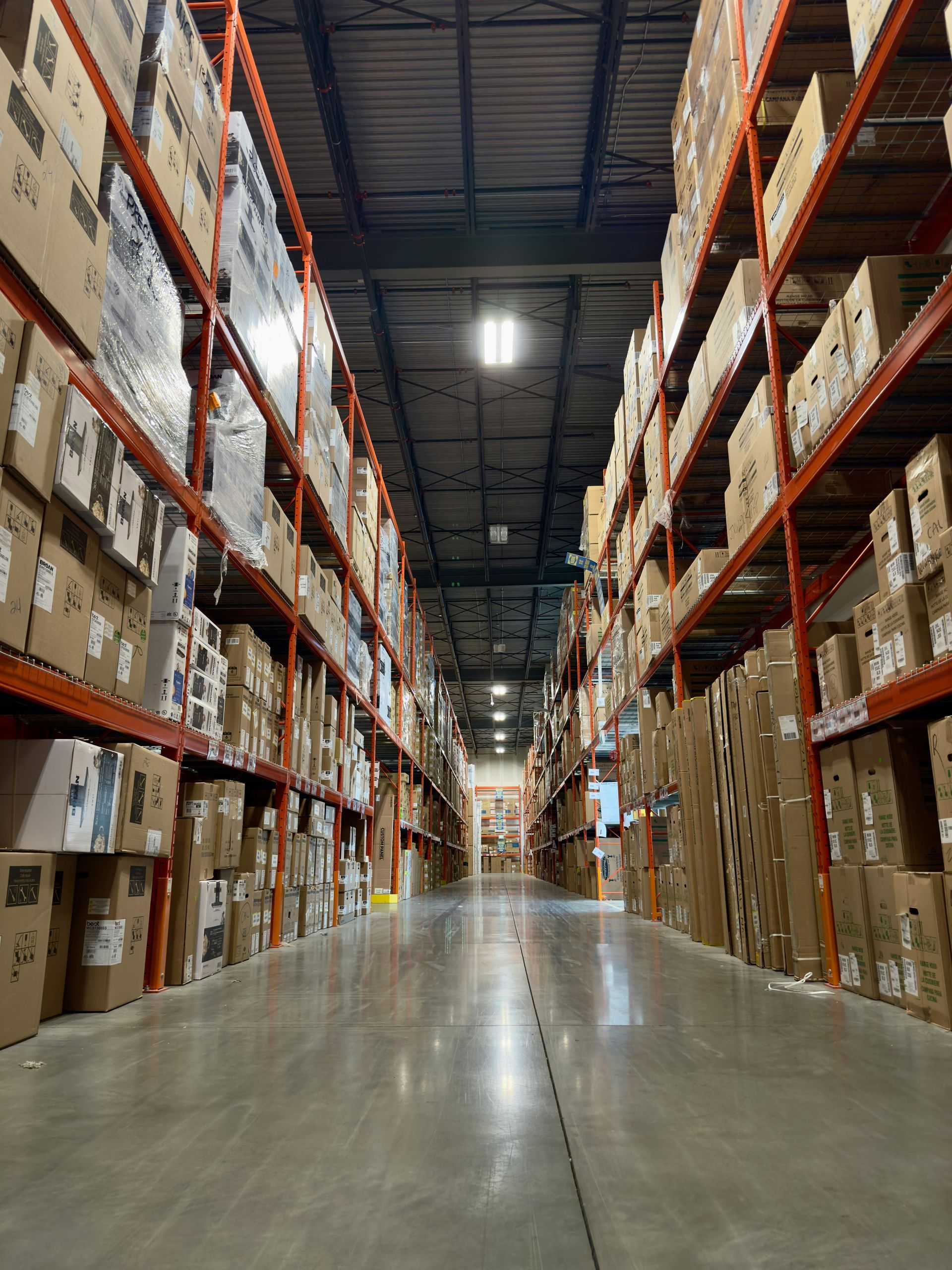
Modern warehouses do more than just store products. They use organized systems that make everything run more smoothly and cost less. Good warehouse inventory management helps you cut costs and increase productivity, giving you more time and resources to focus on making money.
Making Operations More Efficient
Well-organized warehouses save time and labor on daily tasks:
- Receiving: Getting products into the system faster
- Picking: Finding items quickly for orders
- Packing: Getting orders ready to ship
- Shipping: Moving products out the door
Smart warehouses put popular items close to shipping areas and use technology to track everything. These improvements add up over time. Companies can handle more orders with the same number of workers and warehouse space.
Managing Labor Costs Better
When warehouses work efficiently, you need fewer workers to do the same amount of work. Here's how this saves money:
Better warehouse layout reduces the time workers spend walking around looking for products. Creating separate areas for receiving, packing, and shipping helps workers move faster and avoid getting in each other's way.
Automated tracking systems mean less time counting inventory by hand. Workers can focus on tasks that actually create value instead of paperwork and manual counting. This becomes especially important as wages keep going up.
How Technology Drives More Profits
Modern warehousing relies on technology that shows you exactly what's happening in real-time. 87% of 3PL companies now use warehouse management systems, and these systems give companies the information they need to make better decisions.
Seeing Everything in Real-Time
Good warehouse systems give you constant updates on:
- How much inventory you have right now
- Where orders stand in the fulfillment process
- How well your operations are working
This real-time information helps you fix problems before they cost money. When customers can see exactly when their orders will arrive, they stay happier and buy more often.
Using Data to Make Better Decisions
Over time, as more data is collected and inventory managers act upon the insights the data provides, businesses can reduce their bottom line and increase profit margins substantially.
The data help you spot patterns you might miss otherwise:
- Which products sell best at different times of year
- Where your warehouse operations slow down
- Which suppliers cause the most problems
Companies use this information to make smarter choices about what to buy, when to hire more workers, and how to improve their warehouse layout.
Happy Customers Mean More Revenue
Good warehouse operations directly affect how customers feel about your business. With real-time inventory data, warehouses can fulfill orders promptly, minimize dead stock, and maintain optimal stock levels, ultimately increasing customer satisfaction and profitability.
Fast and Accurate Order Fulfillment
Speed and accuracy in shipping have become must-haves for most businesses. Customers now expect:
- Quick delivery times
- Perfect order accuracy
- Real-time tracking information
Companies with efficient warehousing and order fulfillment can offer competitive shipping options while staying profitable. This often lets businesses charge higher prices or win customers from competitors with slower operations.
Keeping the Right Products in Stock
Research shows that improving inventory accuracy can lead to a 10% reduction in inventory costs. When you track inventory well, you avoid two expensive problems:
- Running out of popular products (which loses sales)
- Keeping too much slow-moving inventory (which wastes money)
When customers can always find what they want and get accurate delivery information, they trust your business more. This leads to:
- Higher customer lifetime value
- More repeat purchases
- Lower costs to find new customers
Working Better with Your Supply Chain
Smart warehousing and inventory management work best as part of your bigger business strategy. Good inventory and warehouse management systems aren't just about operations: they help drive business success overall.
Building Better Supplier Relationships
When you have good inventory data, you can work better with suppliers in several ways:
More accurate forecasting helps you predict what you'll need and when. This lets suppliers plan better and often offer you better prices.
Better ordering patterns mean fewer rush orders and emergency shipments, which cost extra money. Suppliers prefer working with companies that order predictably.
Shared information about demand and trends helps both you and your suppliers make smarter decisions. This collaboration often leads to:
- Better pricing terms
- Priority service during busy times
- Access to new products before competitors
Supporting Growth and Expansion
Well-designed warehouse and inventory systems provide the foundation for growing your business. Whether you're adding new products, entering new markets, or handling seasonal rushes, good systems can scale as you scale.
This means you can pursue growth opportunities without huge upfront investments in new infrastructure. The ability to handle more volume efficiently becomes key to profitable expansion.
The Role of Professional 3PL Partners
Many businesses find that partnering with a third-party logistics (3PL) provider gives them access to professional warehousing and inventory management without the huge upfront costs. These partnerships can provide immediate access to:
Advanced Technology and Systems
Professional 3PL providers invest in warehouse management systems that most individual businesses couldn't afford on their own. These systems offer real-time inventory tracking, seamless integration with e-commerce platforms, and detailed reporting that helps you make better decisions.
When you work with an experienced 3PL partner, you get access to technology that typically costs hundreds of thousands of dollars to implement. This includes barcode scanning systems, automated inventory updates, and customer tracking portals.
Strategic Location Benefits
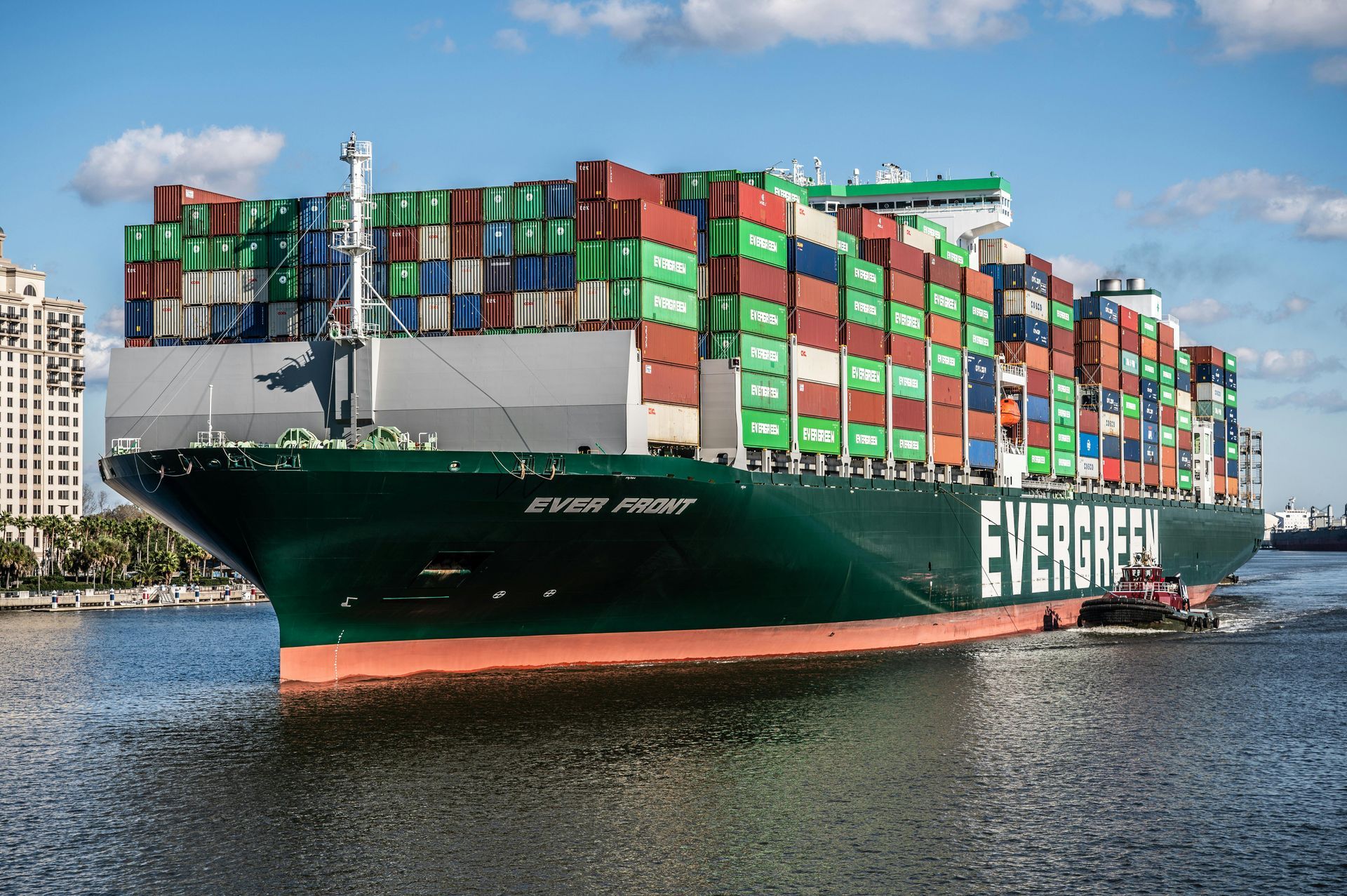
Location matters a lot in warehousing costs and delivery speed. Facilities near major shipping hubs like the Oakland Port can dramatically reduce shipping times and costs for West Coast and nationwide delivery.
This strategic positioning means your products move faster and more cheaply to customers. Companies located near major ports often see significant savings on freight costs and can offer faster delivery options to customers.
Scalable Operations
Professional warehouse operations can handle fluctuations in your business volume much better than trying to manage everything in-house. Whether you're dealing with seasonal spikes, product launches, or steady growth, established operations can adjust quickly.
This flexibility means you don't have to worry about:
- Hiring temporary staff during busy periods
- Finding extra warehouse space for peak seasons
- Investing in equipment you'll only use part of the year
Expertise and Best Practices
Experienced warehouse teams understand the best ways to organize inventory, pick orders efficiently, and pack products safely. They know which methods work best for different types of products and can help you avoid common mistakes.
This expertise extends to areas like:
- Custom packaging and kitting for better brand presentation
- Returns management that keeps customers satisfied
- Integration with multiple sales channels
The knowledge these teams bring can help you avoid expensive trial-and-error learning and implement proven practices from day one.
Getting the Best Return on Your Investment
| Strategy Area | What to Focus On | Expected Benefits |
|---|---|---|
| Technology Systems | Real-time tracking, automated processes | 10-20% efficiency improvement |
| Layout Design | Smart product placement, organized zones | Lower labor costs, faster shipping |
| Inventory Balance | Demand forecasting, right stock levels | Better cash flow, less waste |
| Performance Tracking | Measuring key metrics, continuous improvement | Data-based improvements |
| Staff Training | System use, following procedures | Consistent work, fewer mistakes |
The average ROI for warehouse automation implementations is estimated at 20% within the first two years. But success requires careful planning and step-by-step rollout to avoid disrupting your current operations.
Companies should start with areas that will have the biggest impact first, then expand to other improvements as their systems get better. Focus on fixing the most expensive problems before moving to smaller optimizations.
Frequently Asked Questions
How quickly can businesses see profitability improvements from better warehouse management?
Most companies start seeing improvements within 30-60 days of making changes. Major profit improvements usually show up within 3-6 months as new processes become routine and efficiency gains build up.
What's the typical ROI for investing in warehouse management technology?
The average ROI for warehouse automation implementations is estimated at 20% within the first two years. Your actual return depends on how efficient you are now, how much business you do, and what changes you make.
Can small businesses benefit from modern inventory management systems?
Yes, cloud-based systems now work for businesses of all sizes, and small companies often see bigger improvements. You don't need huge upfront costs since many systems work on monthly subscriptions.
How does inventory management affect customer satisfaction?
Companies with good inventory management typically see improvements in customer satisfaction. Accurate stock levels and faster shipping directly make customers happier with their experience.
What are the most common problems businesses face when implementing these systems?
The main challenges include training staff, connecting new systems with existing tools, and keeping operations running during the switch. Good planning and gradual implementation help minimize these issues.
Final Thoughts
Smart warehousing and inventory management are key drivers of business profits through cost control, efficient operations, and better customer experiences. Companies that invest in improving these areas position themselves for steady growth while building advantages that help throughout their operations. As competition gets tougher and customers expect more, businesses that master these basics will be best positioned to succeed and maintain healthy profit margins for years to come.
Ready to optimize your warehousing and inventory management? Contact GMAT Limited today to learn how our scalable 3PL solutions can boost your profitability.
Reference:
https://www.investopedia.com/terms/r/returnoninvestment.asp
Share this article