How Freight Consolidation Cuts Your Shipping Costs
Shipping costs eat away at business profits. Companies with multiple suppliers or customers across different areas face even bigger challenges. Freight consolidation helps solve this problem by combining small shipments into bigger, cheaper loads. This simple approach can cut shipping costs while making outbound logistics work better.
Key Takeaways
- Share shipping costs: Multiple businesses share truck space, which can reduce shipping costs compared to sending separate loads
- Fill trucks better: Consolidation turns partial loads into full trucks, getting better rates per item shipped
- Less handling: Fewer stops during shipping means lower handling fees and less chance of damage
- Better routes: Smart planning creates more direct delivery routes, saving fuel and time
- Less inventory needed: Businesses can keep smaller amounts of stock while still meeting customer needs
- Help the environment: Fewer trucks on roads mean less fuel use and cleaner air
What Freight Consolidation Means
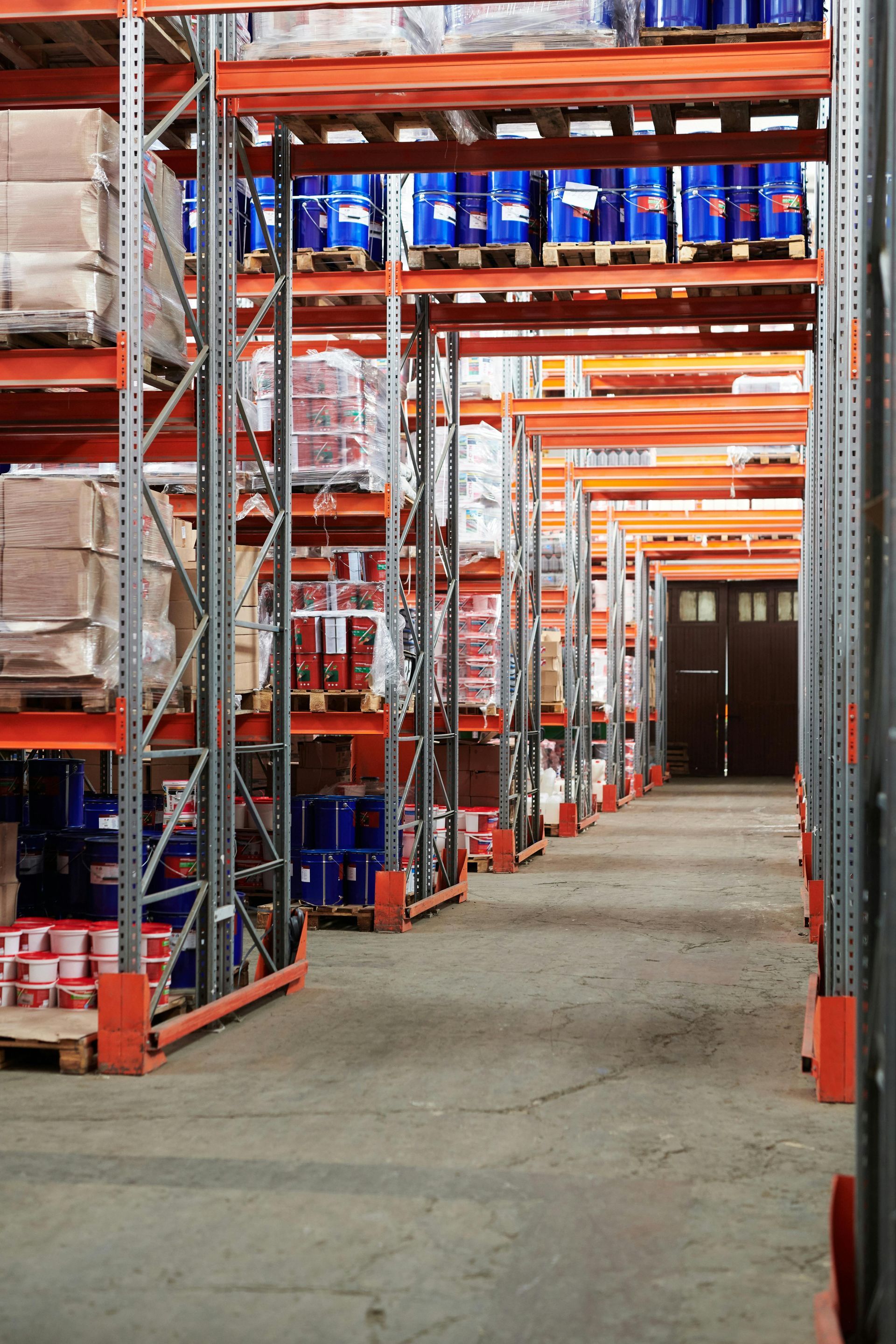
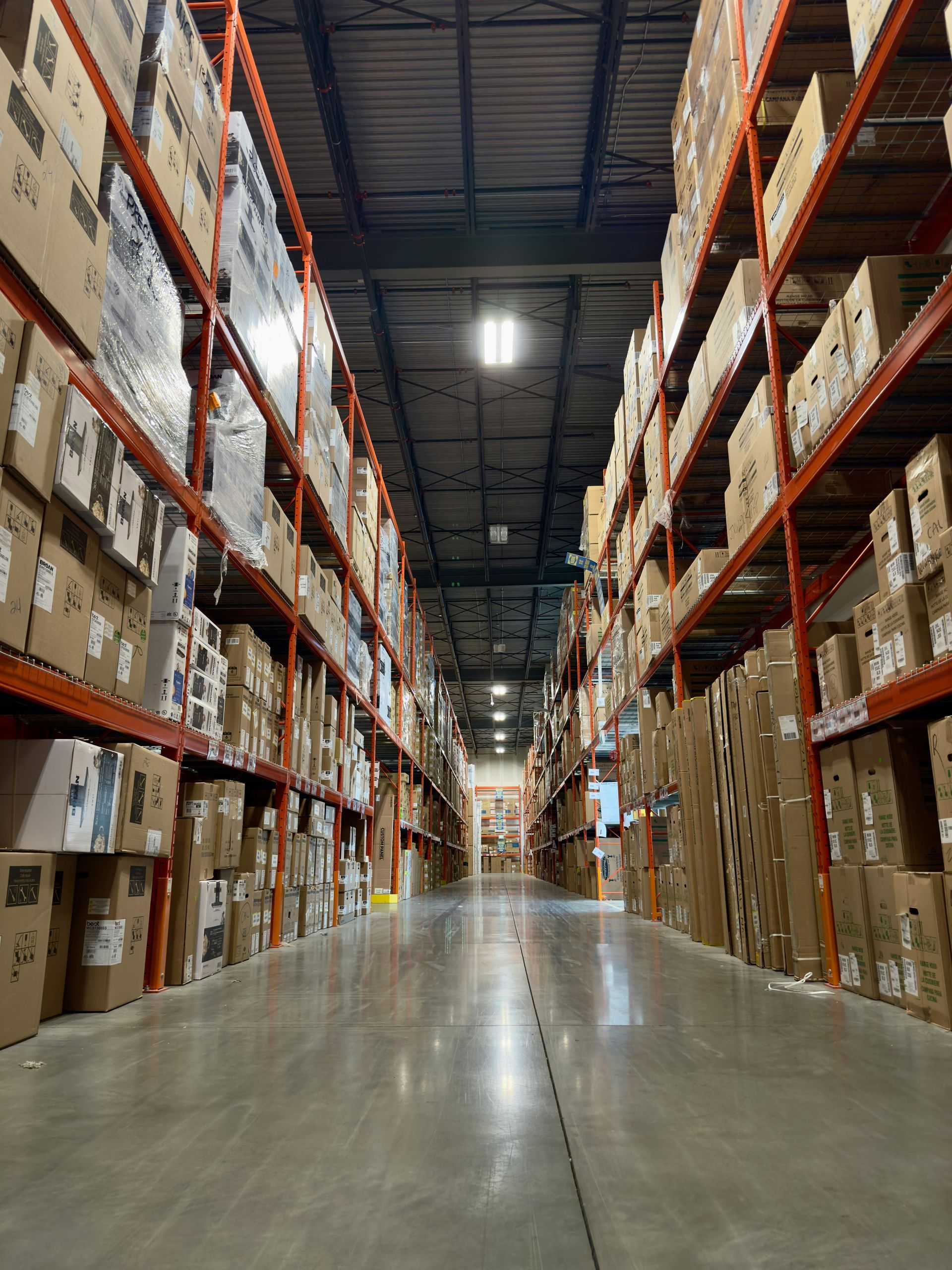
Freight consolidation brings together small shipments from different suppliers into bigger loads going to the same area. This happens at special consolidation facilities that receive, sort, and repack items based on where they need to go.
The process starts when individual shipments arrive at a central location. Workers sort these items by destination, delivery dates, and what can be packed together. Then they combine everything into larger loads that use truck space better while meeting delivery deadlines.
For companies shipping from the West Coast, working with a 3PL provider like GMAT Limited near the Oakland Port offers strategic advantages for freight consolidation. Their location allows efficient collection and combination of shipments before distribution to destinations across the country.
How Consolidation Cuts Costs
Splitting Transportation Costs
The biggest money saver comes from sharing truck costs among several shipments. When businesses ship Less-Than-Truckload (LTL) loads alone, they pay high prices for using only part of a truck. Consolidation turns these expensive partial shipments into shared full truckloads, spreading costs among multiple shippers.
This works best for businesses that regularly ship to similar places. Instead of paying LTL rates, consolidated shipments get better full truck rates. Companies can see real savings when they make this switch.
Better Use of Truck Space
Consolidation helps trucks carry more by using all available space. Transportation companies can pack trucks fuller, reduce empty miles, and run more efficiently. This better use of space directly lowers costs for everyone involved.
Modern warehouse systems help with this by figuring out the best way to pack loads. They consider things like:
- How big and heavy items are
- Where they need to go and when
- What can be stacked together safely
- Any special handling needs
Less Handling Means Lower Fees
Regular shipping often moves items through many different stops, adding fees and damage risks each time. Consolidation creates a simpler path where products go from suppliers to one warehouse, then straight to their final destinations.
This streamlined approach brings several benefits:
- Lower warehouse fees
- Fewer damage claims
- Less paperwork and administration
- Reduced insurance costs
Businesses often cut handling costs by 15-25% when they use good consolidation strategies.
Better Operations Through Freight Consolidation
Smarter Inventory Management
Freight consolidation lets businesses keep less inventory at each location while still having products available when needed. This cuts costs tied to storing extra inventory and reduces the space needed across their network.
Companies can use just-in-time delivery better with consolidation services. Instead of keeping large amounts of safety stock everywhere, they rely on regular consolidated deliveries to maintain the right inventory levels.
Simpler Warehouse Distribution
Good consolidation makes shipping schedules more predictable and reduces paperwork complexity. Instead of managing many individual shipments, businesses handle fewer, larger consolidated loads with clearer tracking.
This also helps with:
- Less paperwork per item shipped
- Easier customs processing for international orders
- Better quality control checks
- Clearer delivery expectations
Ways to Use Freight Consolidation
Area-Based Consolidation
Companies can set up consolidation based on where they ship. Regional centers serve specific areas by collecting shipments from multiple suppliers, then sending them to final destinations in that region.
This works well for companies with multiple store locations or distribution centers in specific areas. GMAT Limited's location near Oakland Port shows how this works, helping consolidate shipments going throughout the Western United States.
Benefits of area-based consolidation include:
- Better service to specific regions
- Shorter delivery routes within areas
- Lower transportation costs per mile
- Easier coordination with local carriers
Time-Based Consolidation
This approach holds shipments for set periods to build up enough volume for better transportation rates. Companies must balance holding costs against shipping savings to make sure they still save money overall.
Success depends on understanding when customers need deliveries and seasonal patterns. Businesses need to check if slightly delayed shipments hurt customer satisfaction compared to cost savings.
Key considerations for timing consolidation:
- Customer delivery requirements
- Seasonal demand changes
- Product shelf life
- Storage costs during waiting periods
Using Multiple Transportation Types
Advanced consolidation combines different ways of moving goods to get the best cost and delivery performance. This might mean consolidating at ports for ocean shipping, then using trucks for final delivery.
This approach works especially well for international shipments where ocean consolidation can save substantial money compared to individual containers.
Technology That Makes It Work
| Technology | What It Does | How It Helps |
|---|---|---|
| Warehouse Management Systems | Track inventory and find consolidation opportunities | Better efficiency |
| Transportation Management | Plan best routes and pick carriers | Lower costs |
| Automated Sorting | Sort items faster with fewer mistakes | Less labor costs |
| Demand Forecasting | Predict what customers will order | Better inventory planning |
Modern consolidation operations use connected computer systems to work efficiently and save the most money. Warehouse systems show real-time inventory levels and consolidation chances, while transportation systems find the best routes and carriers.
Providers like GMAT Limited use advanced warehouse management systems that integrate with e-commerce platforms, making it easier for online businesses to participate in consolidation programs. These systems can make consolidation decisions automatically based on current demand, available transportation, and costs.
Different Industries Use Freight Consolidation Differently
Online Stores and Retail
Online businesses benefit greatly from consolidation, especially when serving customers across large areas. Consolidation helps these businesses keep shipping costs competitive while still delivering orders quickly.
Subscription box companies face unique challenges because they need to combine products from multiple suppliers into single packages. 3PL providers like GMAT Limited specialize in helping these businesses by receiving items from different suppliers, combining them according to customer orders, and shipping complete boxes efficiently.
E-commerce consolidation benefits:
- Competitive shipping rates for small orders
- Faster delivery to multiple regions
- Better inventory turnover
- Lower fulfillment costs per order
- Reduced packaging waste
- Improved customer satisfaction
Retail chains with multiple store locations use consolidation to manage seasonal inventory changes. During busy shopping periods, they can combine shipments going to stores in the same region, reducing overall transportation costs while ensuring all locations get the needed inventory on time.
Manufacturing and Industrial Companies
Manufacturing companies with multiple facilities or suppliers use consolidation for both incoming and outgoing shipments. This approach cuts transportation costs while meeting production schedules and inventory needs.
Industrial distributors serving construction, automotive, or specialized markets use consolidation to keep full inventory available while minimizing shipping expenses across their service areas. These companies often deal with heavy, bulky items that are expensive to ship individually.
Manufacturing consolidation advantages:
- Coordinated supplier deliveries
- Reduced inbound shipping costs
- Better production scheduling
- Lower inventory carrying costs
- Improved supplier relationships
- More predictable material flow
Construction supply companies use consolidation to serve job sites more efficiently. Instead of sending separate trucks for lumber, hardware, and tools, they combine these items at regional warehouses and deliver everything together. This saves money and reduces the number of deliveries needed at busy construction sites.
Healthcare and Medical Supplies
Hospitals and medical facilities need reliable, timely deliveries of supplies and equipment. Consolidation helps medical distributors combine orders for multiple facilities in the same area, ensuring critical supplies reach healthcare providers efficiently while controlling costs.
Food and Beverage Distribution
Food distributors use consolidation to combine deliveries to restaurants, grocery stores, and other food service businesses. Cold chain consolidation involves combining frozen, refrigerated, and dry goods in specialized trucks that maintain different temperature zones.
Choosing the Right Consolidation Partner
Finding the right consolidation partner is crucial for getting the best results. Companies like GMAT Limited offer specialized consolidation services, but businesses should evaluate several key factors when choosing a provider.
Location matters significantly for consolidation success. Providers located near major transportation hubs can offer better shipping rates and faster transit times. GMAT Limited's position near Oakland Port, for example, enables efficient consolidation for shipments heading throughout the Western United States and beyond.
Technology capabilities determine how well a consolidation partner can optimize your shipments. Modern warehouse management systems should provide real-time inventory tracking and integration with your existing business systems.
Experience with your industry ensures the provider understands your specific needs. Choose a partner familiar with your products' handling requirements and regulatory needs.
Service and Pricing Considerations
Clear agreements about service levels help ensure consolidation delivers expected benefits. Important areas to address include delivery timeframes, damage rates, and communication protocols.
Volume-based pricing rewards businesses that consistently provide consolidation volume. Different providers use various pricing approaches that can significantly impact overall costs, so understand all potential charges before committing to a consolidation program.
Checking If Consolidation Works
Good consolidation programs need regular checking to make sure they keep saving money. Important things to measure include cost per item shipped, average shipment size, how fast inventory moves, and customer satisfaction.
Companies should regularly compare consolidation results to their old shipping costs and efficiency measures. This helps find ways to improve and makes sure consolidation strategies keep delivering expected benefits as business needs change.
Key things to measure:
- Transportation cost per unit compared to previous methods
- On-time delivery rates before and after consolidation
- Customer satisfaction scores and complaint rates
- Inventory turnover rates and carrying costs
- Damage claims frequency and costs
- Total logistics costs, including storage and handling
Regular checking should also look at service levels to make sure cost cuts don't hurt delivery performance or customer satisfaction. The best consolidation programs balance cost savings with service quality.
Performance reviews should happen monthly and include representatives from your company and your consolidation provider. Compare actual results to expected outcomes and look for trends in costs, delivery performance, and customer feedback to spot areas needing attention.
Frequently Asked Questions
How much money can businesses save with freight consolidation?
Companies often save 20-30% on shipping costs through good freight consolidation strategies. How much you save depends on your current shipping patterns and volumes.
What products work best for freight consolidation shipping?
Most regular products that can be handled the same way work well together. Products going to similar places with similar delivery times offer the best consolidation opportunities.
Does freight consolidation make deliveries take longer?
Consolidation might add 1-2 days because of sorting and combining time. However, more frequent consolidated shipments often keep delivery times competitive.
Do you need to ship a minimum amount to use freight consolidation?
Many consolidation services accept shipments as small as single pallets. The important thing is shipping regularly to the same areas, not minimum sizes.
How can businesses track their items in consolidated freight shipments?
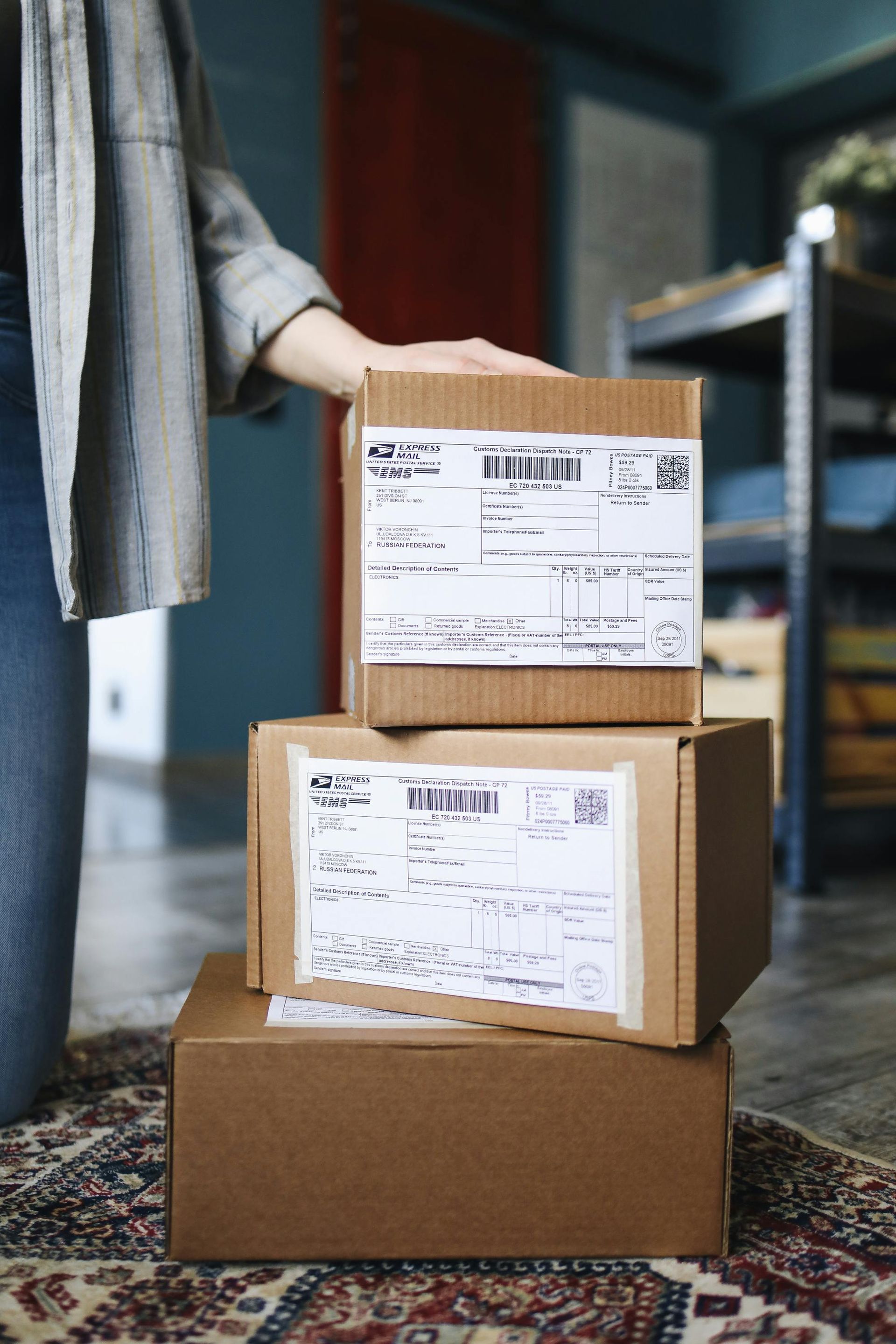
Modern warehouse systems provide detailed tracking through the whole consolidation process. Each shipment keeps its own tracking number from pickup to final delivery.
Final Thoughts
Freight consolidation offers a smart way to cut shipping costs while keeping good delivery performance and customer satisfaction. By combining multiple shipments into cheaper loads, businesses can save significant money on transportation while getting better inventory management and simpler outbound logistics. Success needs careful planning, the right technology, and regular checking to keep optimizing costs. Companies working with experienced providers like GMAT Limited can use established consolidation networks and expertise to get the most benefits while focusing on growing their core business.
Ready to cut your shipping costs? GMAT Limited's Oakland Port location and freight consolidation expertise help businesses save 20-30% on transportation expenses. Contact us today for a free consultation and see how much you could save.
Reference:
https://www.shopify.com/ph/blog/best-ecommerce-platforms
Share this article